
One of the first and most emotional decisions new parents face is how to feed their newborn. Breastfeeding and formula feeding are both common options, and each family’s situation is unique. In Newborn & Infant Care, the goal is not perfection but ensuring your baby receives adequate nutrition, grows well, and remains healthy—while the mother stays comfortable and confident.
Dr. Sudeshna Banerjee believes that informed parents make the best choices for their babies. Let’s explore breastfeeding and formula feeding in detail to help you decide what works best for your newborn.
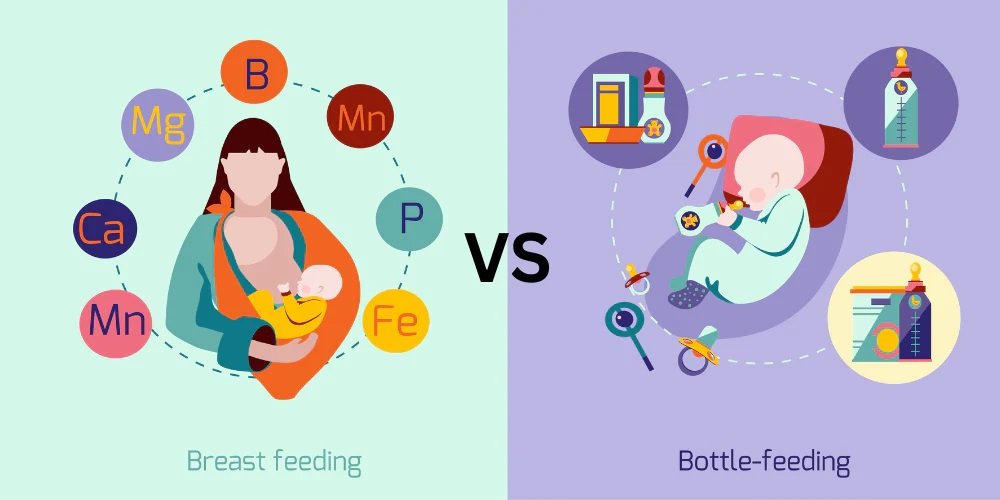
Understanding Breastfeeding: Nature’s First Nutrition
Breastfeeding is widely recommended as the ideal first food for newborns. Breast milk is uniquely designed to meet a baby’s nutritional needs during the early months of life.
Benefits of Breastfeeding
Breast milk contains antibodies that strengthen the baby’s immune system and protect against infections. It is easy to digest, reduces the risk of allergies, and supports healthy brain development. From a Newborn & Infant Care perspective, breastfeeding also promotes strong emotional bonding through skin-to-skin contact.
For mothers, breastfeeding helps the uterus return to its normal size and lowers the risk of certain health conditions later in life.
Common Challenges
Despite its benefits, breastfeeding can sometimes be difficult. Issues such as latching problems, sore nipples, or low milk supply are common in the initial days. With proper guidance and support from a Newborn & Infant Care specialist like Dr. Sudeshna Banerjee, most of these challenges can be managed successfully.
Formula Feeding: A Safe and Reliable Alternative
Formula feeding is a healthy option for families who are unable to breastfeed or choose not to. Modern infant formulas are designed to provide balanced nutrition for growing babies.
When Formula Feeding May Be Needed
Formula feeding may be recommended if the mother has certain medical conditions, experiences insufficient milk production, or needs to return to work early. In some cases, babies with specific medical needs may benefit from specialized formulas as part of structured Newborn & Infant Care.
Benefits of Formula Feeding
Formula allows other caregivers to participate in feeding, which can reduce maternal fatigue. It also provides consistency in feeding volume, helping some parents feel more confident about their baby’s intake.
However, formula must be prepared carefully using clean, sterilized bottles to avoid infections—an important aspect of safe Newborn & Infant Care.
Mixed Feeding: Combining Breast and Formula
Many parents choose mixed feeding, combining breastfeeding with formula feeding. This approach offers flexibility and may suit families balancing medical, personal, or work-related needs.
Mixed feeding can help maintain the benefits of breast milk while ensuring the baby receives enough nutrition. Dr. Sudeshna Banerjee advises that any feeding combination should be planned carefully to avoid confusion for the baby and to maintain healthy digestion.
What Matters Most in Newborn & Infant Care?
Rather than focusing on which feeding method is “better,” Newborn & Infant Care prioritizes:
- Steady weight gain
- Good digestion
- Adequate wet diapers
- A content, active baby
A well-fed baby—whether breastfed, formula-fed, or both—is a healthy baby.
Parents should avoid guilt or pressure when making feeding decisions. Each baby is different, and what works for one family may not work for another.
How to Know If Your Baby Is Feeding Well
Regardless of the feeding method, signs of proper nutrition include:
- Regular feeding patterns
- Healthy weight gain
- Clear skin and good muscle tone
- Satisfied behavior after feeds
If parents notice poor feeding, frequent vomiting, or slow weight gain, they should consult a Newborn & Infant Care expert promptly.
Guidance from Dr. Sudeshna Banerjee
Dr. Sudeshna Banerjee provides compassionate and personalized Newborn & Infant Care, helping parents choose feeding methods that suit their baby’s needs and the mother’s well-being. Her approach emphasizes education, reassurance, and evidence-based medical guidance.
There is no single “right” answer to breastfeeding vs formula feeding. The best choice is one that supports your baby’s growth, your health, and your family’s lifestyle. With proper guidance and monitoring, both feeding methods can be part of excellent Newborn & Infant Care.
For expert advice tailored to your newborn, consulting Dr. Sudeshna Banerjee can help you make confident and informed decisions during this important stage of parenthood.