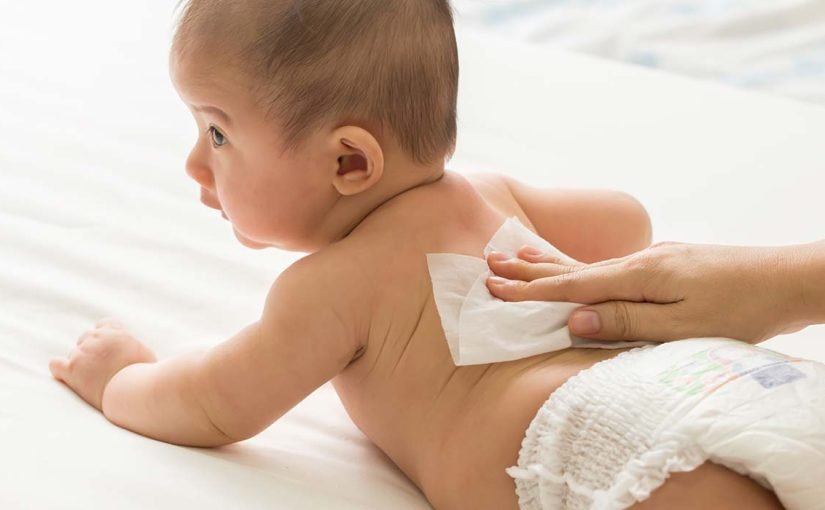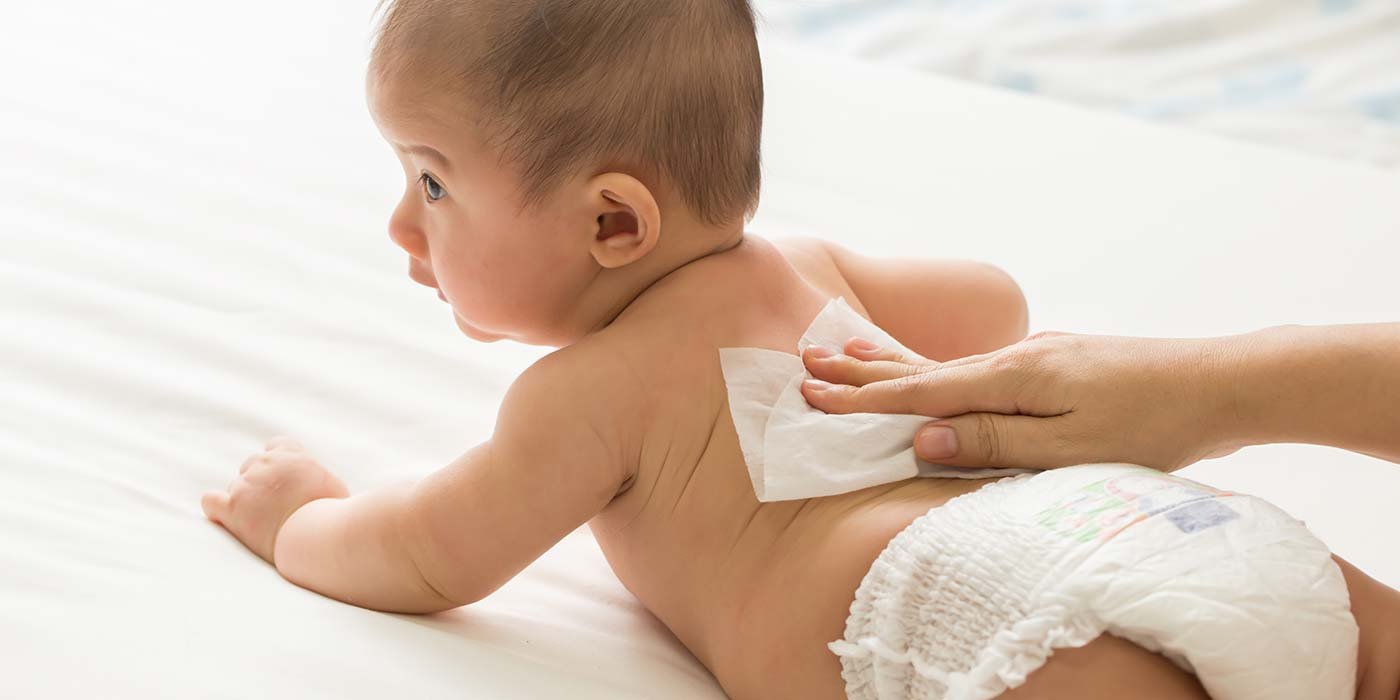
A newborn’s skin is incredibly soft, delicate, and sensitive. During the first few weeks of life, it is still adjusting to the outside environment after months of protection in the womb. It’s completely normal for babies to develop mild rashes, peeling, or dryness. However, proper skin care plays a vital role in keeping your newborn comfortable and healthy.
With expert guidance from Dr. Sudeshna Banerjee, families seeking trusted Newborn & Infant Care in Newtown can confidently care for their baby’s delicate skin while avoiding common mistakes.

Understanding Newborn Skin
Newborn skin is thinner and more sensitive than adult skin. It loses moisture easily and reacts quickly to irritants, harsh products, or extreme weather changes. Conditions like baby acne, diaper rash, heat rash, and mild peeling are common and usually harmless.
The key is gentle care—not over-treatment.
✅ Do’s of Newborn Skin Care
1. Keep It Simple and Gentle
Use mild, fragrance-free baby cleansers and avoid heavily scented products. Plain lukewarm water is often enough for daily cleaning in the early weeks.
Less is more when it comes to newborn skin.
2. Moisturize When Needed
If your baby’s skin appears dry or flaky, apply a gentle, hypoallergenic baby moisturizer. Choose products specifically formulated for infants.
Moisturizing helps maintain the skin’s natural protective barrier, especially during colder months.
3. Practice Proper Diaper Care
Diaper rash is one of the most common skin concerns in newborns.
- Change diapers frequently
- Clean the area gently with water or soft wipes
- Pat dry (avoid rubbing)
- Apply a protective diaper rash cream if needed
If the rash persists beyond a few days or worsens, consult a pediatrician for evaluation.
4. Dress Your Baby Comfortably
Choose soft, breathable cotton clothing. Avoid tight clothes and synthetic fabrics that can trap heat and cause irritation or heat rash.
Wash new clothes before first use using mild, baby-friendly detergent.
5. Protect from Sun Exposure
Newborn skin is highly sensitive to sunlight. Avoid direct sun exposure, especially during peak hours. For babies under six months, protective clothing and shade are safer than sunscreen.
Guidance on seasonal skin protection is often discussed during regular visits for Newborn & Infant Care in Newtown, ensuring your baby’s skin stays healthy year-round.
❌ Don’ts of Newborn Skin Care
1. Don’t Bathe Too Frequently
Daily baths are not necessary for newborns. Bathing 2–3 times a week is sufficient unless there is significant soiling.
Overbathing can strip natural oils and cause dryness.
2. Don’t Use Adult Products
Avoid using adult soaps, lotions, powders, or oils on newborn skin. These products may contain chemicals or fragrances that irritate sensitive skin.
Always choose products labeled safe for infants.
3. Don’t Apply Home Remedies Without Advice
Traditional remedies like applying oils, powders, or herbal pastes may not always be safe. Some substances can clog pores, cause allergies, or worsen rashes.
Before trying any remedy, consult a qualified pediatrician.
4. Don’t Ignore Persistent Rashes
While many newborn rashes are harmless, some may indicate infections or allergies.
Seek medical advice if you notice:
- Blisters or pus-filled lesions
- Rapidly spreading redness
- Fever along with rash
- Swelling or discharge
Early diagnosis ensures quick and effective treatment.
5. Don’t Overuse Talcum Powder
Loose powder can be inhaled and irritate a baby’s lungs. If needed, use sparingly and avoid applying directly near the face.
Common Newborn Skin Conditions
Baby Acne
Small red or white bumps on the face are common and usually clear on their own within a few weeks.
Milia
Tiny white bumps on the nose or cheeks are harmless and disappear naturally.
Peeling Skin
Mild peeling, especially on hands and feet, is normal after birth.
Cradle Cap
Yellowish, scaly patches on the scalp can be managed with gentle washing and mild baby shampoo.
If you’re unsure about any skin change, professional evaluation provides reassurance and appropriate care.
When to See a Pediatrician
While most skin issues are mild, consult a pediatrician if:
- The rash persists for more than a few days
- There are signs of infection
- Your baby appears uncomfortable or irritable
- Skin problems interfere with feeding or sleep
Through comprehensive Newborn & Infant Care in Newtown, Dr. Sudeshna Banerjee offers personalized skin care advice tailored to each baby’s needs.
Caring for your newborn’s skin doesn’t require complicated routines or numerous products. Gentle cleansing, proper diaper care, minimal product use, and close observation are usually enough to maintain healthy skin.
Every baby’s skin is unique, and occasional concerns are normal. With the right knowledge and timely medical guidance, parents can confidently support their baby’s comfort and well-being.
If you ever feel uncertain about a rash or skin change, seeking expert advice ensures your newborn receives safe and effective care from the very beginning.