
The first few months of a baby’s life are critical for ensuring long-term health and immunity. Vaccinations, proper nutrition, and routine care form the foundation for a healthy childhood. Parents often have questions about which vaccines are essential, the right schedule to follow, and how to manage newborn care effectively. Consulting the Best Child Specialist in Newtown can provide expert guidance and reassurance during this crucial phase.
Renowned pediatricians like Dr. Sudeshna Banerjee emphasize that early intervention, regular check-ups, and adherence to vaccination schedules are key to preventing serious illnesses and promoting optimal growth in newborns.
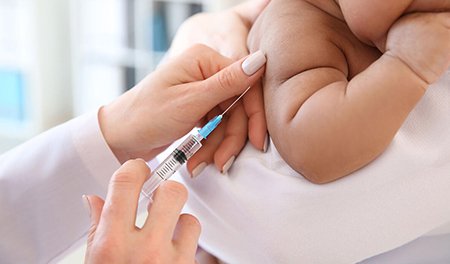
Importance of Newborn Vaccination
Vaccinations protect newborns from a range of potentially life-threatening diseases such as tuberculosis, hepatitis B, polio, and diphtheria. Administering vaccines on time ensures the baby’s immune system develops the defenses needed to fight infections effectively.
A Best Child Specialist in Newtown highlights that newborn vaccinations are not only about preventing diseases—they also support the overall development of the immune system, allowing children to grow safely in a world full of environmental challenges.
Essential Vaccines for Newborns
According to pediatric guidelines, some of the critical vaccines for newborns include:
- BCG Vaccine – Protects against tuberculosis; typically given at birth.
- Hepatitis B Vaccine – The first dose is administered within 24 hours of birth.
- OPV (Oral Polio Vaccine) – Protects against poliovirus.
- Vitamin K Injection – Not a vaccine, but essential for preventing bleeding disorders.
Subsequent vaccines, including DTP, Hib, rotavirus, and measles-containing vaccines, are administered according to the child’s age and development schedule. Dr. Sudeshna Banerjee advises parents to maintain a vaccination card and follow up diligently to ensure no doses are missed.
Newborn Care Checklist
Apart from vaccinations, comprehensive newborn care involves several daily routines to ensure safety, hygiene, and healthy development.
1. Feeding
- Breastfeeding: Exclusively breastfeed for the first six months to provide essential nutrients and antibodies.
- Formula Feeding: If breastfeeding is not possible, consult your pediatrician for suitable infant formula.
- Feeding Schedule: Feed on demand while monitoring the baby’s weight and hydration.
2. Sleep
- Safe Sleep Practices: Place the baby on their back, in a crib free of soft toys and loose blankets, to reduce the risk of SIDS.
- Adequate Sleep: Newborns generally sleep 16–18 hours per day in short intervals.
3. Hygiene
- Umbilical Cord Care: Keep the cord stump clean and dry until it naturally falls off.
- Bathing: Sponge baths are recommended until the umbilical stump heals; use mild, baby-safe products.
- Diaper Hygiene: Change diapers frequently to prevent rashes and infections.
4. Monitoring Growth
- Weight and Length Tracking: Regular pediatric check-ups help monitor growth trends and detect early health issues.
- Developmental Milestones: Observe milestones such as eye contact, reflexes, and early motor skills.
5. Immunity Support
- Limiting Exposure: Keep newborns away from crowded places and sick individuals to reduce the risk of infections.
- Hand Hygiene: Ensure everyone handling the baby washes their hands thoroughly.
When to Contact a Pediatric Specialist
While routine care is essential, parents should seek prompt advice from a Best Child Specialist in Newtown in the following situations:
- Fever or unusual lethargy
- Persistent vomiting or diarrhea
- Difficulty breathing or feeding
- Skin rashes or infections
- Missed vaccination doses
Early consultation ensures timely intervention and prevents minor issues from developing into serious health concerns.
Tips for Parents
- Maintain a Health Diary: Record feeding times, sleep patterns, vaccinations, and any unusual symptoms.
- Follow Vaccination Schedules: Stick to the recommended schedule, and consult your pediatrician before administering any medications.
- Educate Caregivers: Ensure that grandparents, babysitters, and family members are aware of hygiene and feeding guidelines.
- Stay Informed: Regularly consult your pediatrician about upcoming vaccines, booster doses, and seasonal health precautions.
Newborn care is a comprehensive process that combines vaccination, nutrition, hygiene, and regular monitoring. Timely vaccinations protect against serious diseases, while daily routines and proper care ensure that the baby grows healthy, strong, and resilient.
Consulting a trusted Best Child Specialist in Newtown like Dr. Sudeshna Banerjee provides parents with expert guidance, personalized care plans, and peace of mind. Following a structured newborn care checklist not only safeguards the child’s immediate health but also lays the foundation for long-term growth, development, and well-being.