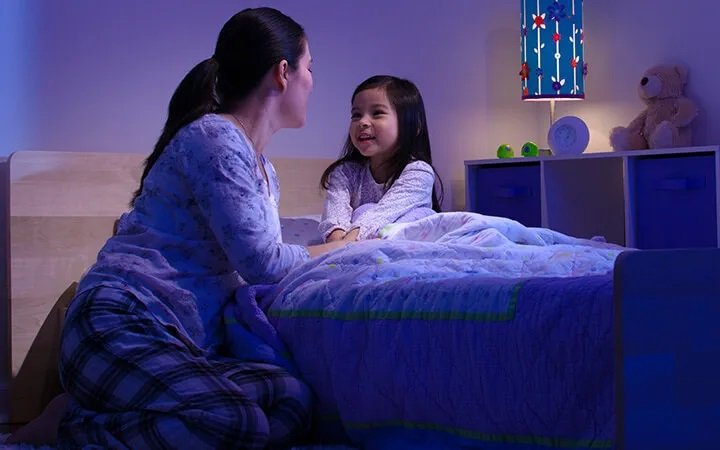
Is your child turning bedtime into a daily challenge? You’re not alone. Many parents in today’s fast-paced world face bedtime battles—whether it’s resistance to sleep, frequent waking, or endless demands for “just one more story.” According to Dr. Sudeshna Banerjee, a trusted Consultant Paediatrician Newtown Kolkata, understanding the root cause is the first step toward peaceful nights.

Why Do Children Resist Bedtime?
Children often struggle with sleep due to a mix of emotional, behavioral, and environmental factors. From overstimulation caused by screen time to anxiety about being separated from parents, bedtime resistance can stem from various triggers. Younger children may not yet have a structured sleep rhythm, while older kids might push boundaries as part of their growing independence.
Dr. Sudeshna Banerjee emphasizes that irregular sleep patterns can impact not just mood but also a child’s overall development, including concentration, immunity, and growth.
Signs Your Child Has Sleep Issues
Every child is different, but some common signs indicate bedtime struggles:
- Difficulty falling asleep even when tired
- Frequent night awakenings
- Irritability or hyperactivity during the day
- Dependence on parents to fall asleep
If these patterns persist, it’s important to address them early with proper guidance from a Consultant Paediatrician Newtown Kolkata.
Practical Tips to Improve Your Child’s Sleep
Creating a healthy sleep routine doesn’t require drastic changes—small, consistent steps can make a big difference.
1. Set a Fixed Bedtime Routine
Consistency is key. Establish a calming pre-sleep routine like bathing, reading, or gentle music. This signals the brain that it’s time to wind down.
2. Limit Screen Exposure
Avoid screens at least an hour before bedtime. Blue light from devices can interfere with melatonin production, making it harder for children to fall asleep.
3. Create a Comfortable Sleep Environment
Ensure the bedroom is quiet, dimly lit, and at a comfortable temperature. A cozy, familiar environment helps children feel secure.
4. Encourage Independent Sleeping
While it’s natural for children to seek comfort, gradually encouraging them to fall asleep on their own can prevent long-term sleep dependency.
5. Watch Diet and Activity Levels
Avoid heavy meals or sugary snacks close to bedtime. Regular physical activity during the day also promotes better sleep at night.
When Should You Seek Medical Advice?
If your child’s sleep problems continue despite trying these strategies, it may be time to consult a specialist. Persistent sleep disturbances could be linked to underlying issues such as allergies, digestive discomfort, or behavioral concerns.
As a leading Consultant Paediatrician Newtown Kolkata, Dr. Sudeshna Banerjee provides personalized guidance tailored to each child’s needs. Her approach combines medical expertise with a deep understanding of child behavior, ensuring both parents and children feel supported.
The Role of Parents in Building Healthy Sleep Habits
Parents play a crucial role in shaping a child’s sleep routine. Patience and consistency are essential. Avoid giving in to every bedtime demand, but also ensure your child feels emotionally secure. A balanced approach helps build trust and promotes long-term healthy habits.
A Peaceful Night Is Possible
Bedtime doesn’t have to be a stressful experience. With the right strategies and expert guidance, your child can develop healthy sleep patterns that benefit their overall well-being.
If you’re struggling with your child’s sleep routine, seeking help from a qualified Consultant Paediatrician Newtown Kolkata like Dr. Sudeshna Banerjee can make all the difference. Better sleep for your child means better peace of mind for you—and happier days ahead for the entire family.