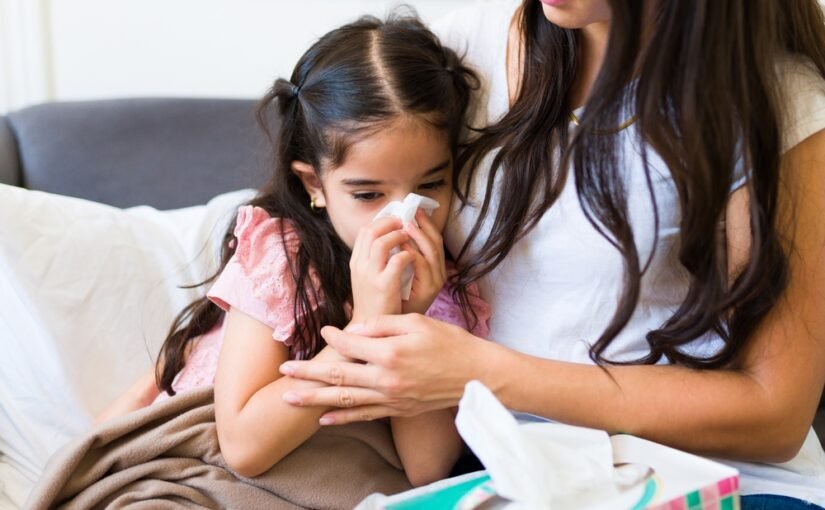
Children are more vulnerable to seasonal illnesses because their immune systems are still developing. Changes in weather, fluctuations in temperature, increased exposure to viruses, and outdoor environmental factors can all affect a child’s health. While many seasonal illnesses are mild, some can become serious if left untreated. Understanding common seasonal health problems and taking preventive measures can help parents keep their children healthy throughout the year.
If you are looking for guidance from an experienced Consultant Paediatrician in Newtown, knowing what to expect during different seasons can help you act early and reduce the risk of complications.
Common Health Problems During Summer
The hot and humid months often bring dehydration, heat-related illnesses, and stomach infections.
Dehydration
Children lose fluids quickly through sweating, especially while playing outdoors.
Signs include:
- Dry lips and mouth
- Reduced urination
- Fatigue
- Dizziness
- Irritability
Encourage your child to drink water regularly, even if they don’t feel thirsty. Fresh fruits with high water content, such as watermelon, cucumber, and oranges, also help maintain hydration.
Food and Water-Borne Infections
Improperly stored food and contaminated water can cause diarrhea, vomiting, and stomach pain.
Prevention Tips
- Serve freshly prepared meals.
- Wash fruits and vegetables thoroughly.
- Ensure drinking water is clean and safe.
- Teach children proper handwashing before meals.
Common Health Problems During the Monsoon
The rainy season creates favorable conditions for bacteria, viruses, and mosquitoes to thrive.
Viral Fever and Respiratory Infections
Children frequently develop fever, sore throat, cough, and cold during this season due to viral infections.
Parents should encourage good hygiene, avoid crowded places during outbreaks, and ensure adequate rest and hydration.
Mosquito-Borne Diseases
Mosquitoes become more active during the rainy season, increasing the risk of illnesses such as dengue and malaria in affected regions.
Prevention includes:
- Using mosquito nets while sleeping
- Applying child-safe mosquito repellents
- Wearing full-sleeved clothing
- Preventing water from collecting around the house
Common Health Problems During Winter
Cold weather often leads to respiratory illnesses because viruses spread more easily and children spend more time indoors.
Cold, Flu, and Cough
Symptoms may include:
- Runny nose
- Sneezing
- Fever
- Persistent cough
- Body aches
Most viral infections improve with rest, fluids, and supportive care. However, persistent high fever or breathing difficulty should never be ignored.
Asthma and Allergies
Children with asthma or allergic conditions may experience worsening symptoms during winter due to cold air, dust, and indoor allergens.
Parents should ensure prescribed inhalers or medications are readily available and follow the treatment plan advised by their pediatrician.
Allergies During Seasonal Changes
Pollen, dust mites, mold, and air pollution can trigger allergies in sensitive children.
Common symptoms include:
- Sneezing
- Itchy eyes
- Skin rashes
- Nasal congestion
- Wheezing
Keeping the home clean, washing bedding regularly, and reducing exposure to known allergens can significantly reduce flare-ups.
Strengthening Your Child’s Immunity
Although no food or supplement can completely prevent infections, healthy lifestyle habits help strengthen the immune system.
Encourage your child to:
- Eat a balanced diet rich in fruits and vegetables
- Include protein sources like eggs, lentils, fish, and dairy
- Stay physically active every day
- Sleep according to their age requirements
- Drink plenty of water
- Practice regular hand hygiene
Vaccinations also play a crucial role in protecting children from several preventable diseases. Ensure your child receives all recommended immunizations according to the vaccination schedule.
When Should Parents Consult a Paediatrician?
Many seasonal illnesses improve with home care, but some symptoms require immediate medical attention.
Seek medical advice if your child experiences:
- Fever lasting more than three days
- Difficulty breathing
- Persistent vomiting or diarrhea
- Refusal to eat or drink
- Signs of dehydration
- Extreme sleepiness or unusual behavior
- Seizures or severe weakness
Early diagnosis and timely treatment can prevent complications and speed up recovery.
Helping Children Stay Healthy Throughout the Year
Simple preventive measures can significantly reduce the risk of seasonal illnesses.
Parents should:
- Encourage frequent handwashing.
- Maintain a nutritious, balanced diet.
- Keep children well hydrated.
- Promote regular physical activity.
- Ensure adequate sleep.
- Avoid unnecessary exposure to sick individuals.
- Follow the recommended vaccination schedule.
- Schedule routine pediatric health check-ups.
Building these healthy habits not only protects children from seasonal infections but also supports their overall growth and development.
Conclusion
Seasonal health problems are a common part of childhood, but many can be prevented with good hygiene, proper nutrition, timely vaccinations, and early medical care. Staying alert to seasonal changes and recognizing warning signs can help parents protect their children from avoidable health complications.
If you are searching for a trusted Consultant Paediatrician in Newtown, Dr. Sudeshna Banerjee offers comprehensive pediatric care tailored to every stage of childhood. From preventive health check-ups and vaccinations to the diagnosis and treatment of seasonal illnesses, she is committed to helping children grow up healthy, active, and resilient while providing parents with practical guidance for year-round child wellness.