
Good nutrition plays an important role in a child’s growth, development, energy levels, and overall well-being. During childhood, the body and brain undergo rapid changes, making a balanced diet especially important. Along with adequate sleep, physical activity, hygiene, and timely vaccinations, nutritious food helps support the body’s natural defence mechanisms.
For parents, understanding what to include in a child’s daily diet can sometimes be challenging. Guidance from a Consultant Paediatrician in Newtown can help families make age-appropriate and practical nutrition choices based on a child’s individual needs.
How Does Nutrition Support Immunity?
The immune system needs several nutrients to function properly. A varied diet provides essential vitamins, minerals, protein, healthy fats, and other nutrients that support normal immune function.
However, no single food can “boost” immunity overnight. Instead, children benefit from regularly eating a variety of nutritious foods as part of a balanced diet.
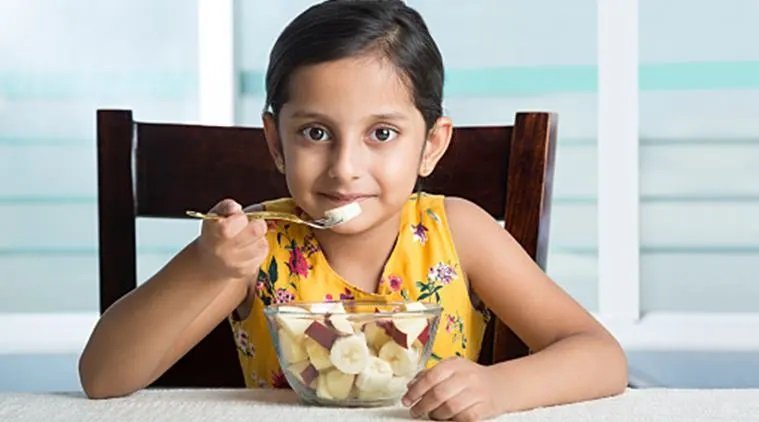
1. Fruits for Essential Vitamins and Antioxidants
Fresh fruits are an excellent addition to a child’s diet. Fruits such as oranges, guava, papaya, apples, bananas, berries, and seasonal fruits provide vitamins, minerals, fibre, and other beneficial plant compounds.
Vitamin C, found in fruits such as guava, citrus fruits, and amla, contributes to normal immune function. Offering different fruits throughout the week can help provide a wider range of nutrients.
2. Vegetables for a Variety of Nutrients
Colourful vegetables can provide important vitamins, minerals, fibre, and antioxidants. Carrots, spinach, pumpkin, beans, peas, beetroot, broccoli, and other locally available vegetables can be incorporated into meals in age-appropriate forms.
For younger children, vegetables can be mashed, cooked until soft, or included in soups and other suitable preparations. Older children can be encouraged to eat a variety of cooked and raw vegetables as appropriate.
3. Protein for Growth and Development
Protein is essential for building and repairing tissues and supporting normal growth. Children can obtain protein from foods such as pulses, lentils, beans, chickpeas, eggs, fish, chicken, dairy products, paneer, tofu, nuts, and seeds, depending on age and dietary preferences.
Including a suitable protein source in regular meals can help create a more balanced diet.
4. Milk and Dairy Products
Milk, curd, yoghurt, paneer, and other dairy foods can provide nutrients such as protein and calcium, which are important for growing bones and teeth.
Parents should choose dairy portions appropriate for the child’s age and overall diet. For children with milk allergies, intolerance, or dietary restrictions, a pediatrician can suggest suitable alternatives.
5. Whole Grains and Healthy Carbohydrates
Children need energy for playing, learning, and everyday activities. Rice, oats, whole wheat, millets, and other grains can form part of a balanced diet.
Whenever practical, choosing minimally processed or whole-grain options can also provide useful fibre and nutrients.
6. Healthy Fats Are Important Too
Healthy fats support brain development and provide energy. Foods such as nuts, seeds, nut butters, avocado, and suitable cooking oils can be included according to the child’s age and dietary requirements.
For young children, whole nuts should be avoided because of choking risk. They should only be introduced in an age-appropriate form and under suitable guidance.
7. Don’t Forget Water
Adequate hydration is also important for children. Water should be the primary drink, while sugary beverages, packaged juices, and soft drinks should be limited.
The amount of fluid a child needs can vary according to age, activity level, weather, and health status.
Foods to Limit
A child’s diet does not need to be completely free of treats, but foods high in added sugar, salt, and unhealthy fats should not become a regular substitute for nutritious meals.
Packaged snacks, sugary drinks, confectionery, and highly processed foods are best offered occasionally rather than forming a major part of a child’s everyday diet.
Nutrition and Immunisation Work Together
A nutritious diet supports a child’s overall health, but it does not replace recommended vaccinations. Immunisation remains an important part of protecting children against vaccine-preventable diseases.
Parents should follow the vaccination schedule recommended by their pediatrician and discuss any questions or concerns during routine consultations.
Every Child Has Individual Nutritional Needs
The ideal diet can vary depending on a child’s age, growth pattern, activity level, allergies, food preferences, and medical needs. Infants, toddlers, school-age children, and teenagers all have different nutritional requirements.
If your child is a picky eater, has poor weight gain, frequently refuses meals, or you are unsure whether their diet is providing adequate nutrition, professional advice can be valuable.
A Consultant Paediatrician in Newtown can assess your child’s overall growth and nutritional needs and provide practical guidance suited to their age and development.
Building Healthy Eating Habits Early
Healthy eating is not about making every meal perfect. It is about creating consistent habits and offering children a variety of nutritious foods over time. Encourage family meals, introduce different foods gradually, make healthy options easily available, and allow children to develop positive relationships with food.
With balanced nutrition, regular healthcare, appropriate immunisation, adequate sleep, and an active lifestyle, parents can provide children with a strong foundation for healthy growth and development.