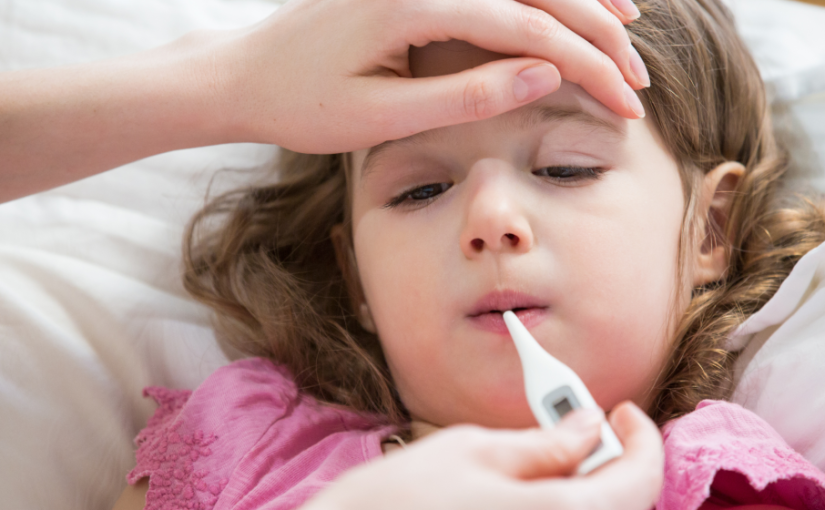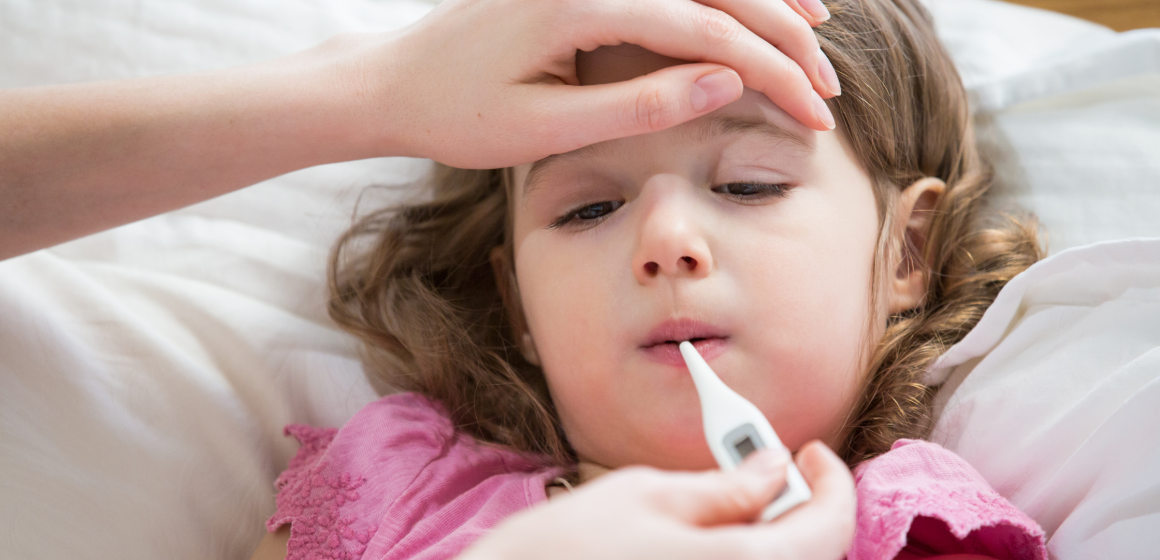
Fever is one of the most common reasons parents become concerned about their child’s health. When a child suddenly feels warm and the thermometer shows a higher temperature, it is natural to worry. However, fever itself is usually not a disease. It is often a sign that the body is responding to an infection or another underlying condition.
Understanding when fever can be monitored at home and when medical attention is needed can help parents respond calmly and appropriately. If you are concerned about your child’s symptoms, consulting a qualified Paediatrician in Newtown Kolkata can provide appropriate guidance.
What Is Fever?
Fever is a temporary rise in body temperature and commonly occurs when the immune system is responding to an infection. Viral infections are a frequent cause of fever in children, although bacterial infections and other conditions can also cause it.
Rather than focusing only on the number displayed on a thermometer, parents should consider the child’s overall condition, age, symptoms, hydration, and behaviour.
Is Fever Always a Cause for Concern?
Not necessarily. Many childhood illnesses can cause fever, and children may recover with appropriate care and monitoring.
A child who has a fever but remains reasonably active, drinks fluids, urinates normally, and responds to parents may often be monitored closely, depending on their age and symptoms.
However, fever in very young babies or fever accompanied by concerning symptoms requires prompt medical assessment.
Common Symptoms That May Accompany Fever
Depending on the underlying cause, a child with fever may also experience:
- Cough or runny nose
- Sore throat
- Body aches or tiredness
- Reduced appetite
- Headache
- Vomiting or diarrhoea
- Irritability or increased sleepiness
These symptoms can occur with many common childhood infections. A pediatrician can help determine whether further evaluation is required.
When Should Parents Seek Medical Advice?
Parents should contact a pediatrician if the fever is persistent, repeatedly returns, or is accompanied by symptoms that concern them.
Medical evaluation is particularly important if a child:
- Appears unusually weak, confused, or difficult to wake
- Has difficulty breathing
- Is unable to drink or keep fluids down
- Shows signs of dehydration, such as significantly reduced urination, very dry mouth, or no tears when crying
- Develops a seizure
- Has a severe or unusual headache or neck stiffness
- Develops a concerning rash, particularly one that does not fade when pressed
- Has severe or persistent pain
- Is getting progressively worse rather than improving
Infants younger than 3 months with a temperature of 38°C (100.4°F) or higher should receive prompt medical assessment, even if they otherwise appear well.
What Can Parents Do at Home?
If the child is otherwise comfortable and there are no warning signs, parents can focus on supportive care.
Offer plenty of age-appropriate fluids to help maintain hydration. Breastfeeding should generally continue for infants who are breastfed. Encourage rest and allow the child to eat according to their appetite.
Dress the child comfortably and avoid excessive layers or heavy blankets. There is usually no need to force food when a child has a reduced appetite temporarily.
Parents should also monitor the child’s behaviour, fluid intake, urination, and other symptoms rather than checking temperature excessively.
Be Careful With Fever Medicines
Fever-reducing medicines may help a child feel more comfortable, but they do not treat the underlying cause of the fever.
Parents should use medicines only in the appropriate dose for the child’s age and weight and follow advice from their pediatrician or the medicine’s instructions. Aspirin should not be given to children unless specifically advised by a healthcare professional.
Avoid using antibiotics without medical advice. Antibiotics do not treat viral infections and unnecessary use can cause unwanted effects and contribute to antibiotic resistance.
Fever and Teething
Parents sometimes associate fever with teething. While teething may cause mild discomfort and a slight rise in temperature, a significant fever should not automatically be attributed to teething. If a child has a notable fever or other symptoms, it is better to consider other possible causes.
When in Doubt, Consult a Pediatrician
Every child is different, and the importance of a fever depends on factors such as age, temperature, duration, associated symptoms, and the child’s general health.
A consultation with a Paediatrician in Newtown Kolkata can help parents understand whether their child’s fever can be monitored at home or requires further evaluation.
Stay Calm and Observe Your Child
Fever can look frightening, but it is often the body’s natural response to infection. Instead of focusing only on the thermometer reading, parents should observe how their child is behaving, drinking, breathing, and responding.
Knowing the warning signs and seeking medical advice when necessary can help ensure that children receive timely care while avoiding unnecessary anxiety. When a child’s condition feels unusual or is getting worse, it is always appropriate to seek professional pediatric guidance.