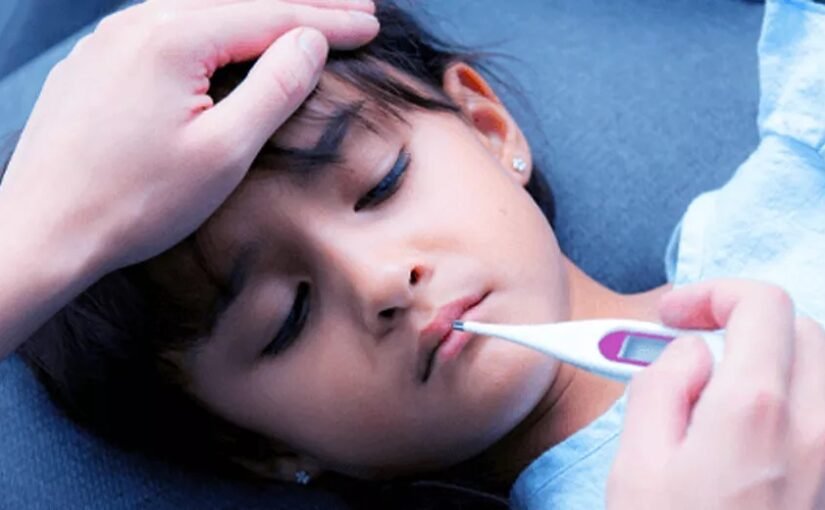
Coughs and colds are among the most common health problems during childhood. Parents may sometimes feel that their child has only just recovered from one cold when another episode begins. This can understandably create concern, especially when cough, runny nose, sneezing, or mild fever seems to occur repeatedly.
In many cases, frequent colds are a normal part of childhood, particularly when children attend school or daycare and regularly come into contact with other children. However, certain symptoms or patterns may indicate that a child needs medical evaluation.
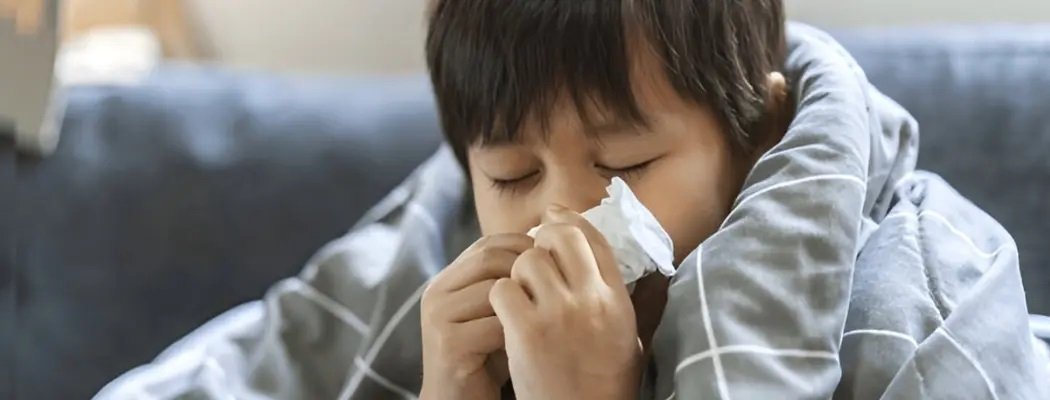
Why Do Children Get Coughs and Colds So Often?
Children are exposed to many different viruses, and their immune systems are still developing. This makes them more susceptible to common respiratory infections.
Children may also come into close contact with others at school, daycare, playgrounds, and social gatherings. Sharing toys and touching frequently used surfaces can increase exposure to germs.
It is also possible for one infection to occur soon after another, making it seem as though the child has been continuously unwell.
What Symptoms Are Usually Common?
A typical viral cold may cause:
- Runny or blocked nose
- Sneezing
- Mild cough
- Sore throat
- Mild fever
- Reduced appetite
- Tiredness or irritability
Most uncomplicated viral respiratory infections improve gradually with adequate rest, fluids, nutritious food, and appropriate supportive care.
When Is a Recurring Cough and Cold Usually Not a Major Concern?
Children can experience several respiratory infections in a year, particularly during their early school years. A child who is otherwise growing normally, remains active between illnesses, eats reasonably well, and recovers completely from each episode may not necessarily have an underlying health problem.
Parents should focus on the child’s overall health rather than simply counting every episode of cold or cough.
When Should Parents Be Concerned?
Although recurring infections can be normal, certain signs deserve medical attention.
Persistent or Severe Cough
If a cough continues for a long time after an infection, repeatedly returns, or becomes severe, the child may need evaluation to identify the underlying cause.
Breathing Difficulty
Fast breathing, wheezing, shortness of breath, chest retractions, or difficulty speaking or feeding because of breathing problems should not be ignored.
High or Persistent Fever
A fever that is unusually high, continues for several days, or returns after the child initially improves may require medical assessment.
Poor Growth or Weight Gain
If a child frequently falls ill and is not growing or gaining weight as expected, parents should discuss this with a paediatrician.
Unusual Tiredness
A child who remains unusually weak, sleepy, or inactive even between episodes of illness may require further evaluation.
Repeated Ear or Chest Infections
Frequent ear infections, pneumonia, or other significant respiratory infections may warrant a detailed medical assessment.
Could It Be Something Other Than a Common Cold?
Not every recurring cough is caused by repeated viral infections. Allergies, asthma, environmental irritants, sinus problems, or other respiratory conditions can sometimes produce persistent or recurrent symptoms.
Exposure to cigarette smoke, dust, strong perfumes, air pollution, and other irritants may also worsen coughing in some children.
This is why it is important not to assume that every recurring cough or cold requires the same treatment.
How Can Parents Reduce the Risk of Infections?
Parents can encourage simple habits that support children’s overall health:
- Encourage regular handwashing.
- Offer a balanced and nutritious diet.
- Ensure adequate sleep according to the child’s age.
- Encourage regular physical activity.
- Keep children away from cigarette smoke.
- Teach children to cover their mouth and nose when coughing or sneezing.
- Keep vaccinations up to date according to medical advice.
- Encourage adequate fluid intake.
Children should also be allowed sufficient time to recover before returning to strenuous activities when they are unwell.
Avoid Unnecessary Antibiotics
Most common colds are caused by viruses, and antibiotics do not treat viral infections. Giving antibiotics without medical advice can be unnecessary and may contribute to antibiotic resistance.
Similarly, parents should avoid giving cough and cold medicines to young children without consulting a healthcare professional, as some medicines may not be appropriate for certain ages.
When Should You Consult a Paediatrician?
If your child’s cough or cold is unusually frequent, prolonged, severe, or associated with breathing difficulties, poor growth, persistent fever, or repeated chest infections, professional evaluation is recommended.
A Consultant Paediatrician in Kolkata can assess the child’s medical history, symptoms, growth, environment, and pattern of infections to determine whether further investigation or treatment is necessary.
Reassurance for Parents
Frequent coughs and colds can be stressful, but they do not always indicate weak immunity or a serious health problem. Many children naturally experience several minor respiratory infections while their immune systems develop.
The key is to observe the child’s overall health, recovery between illnesses, growth, and the severity of symptoms. When something seems unusual or persistent, timely consultation with a paediatrician can provide reassurance and ensure that any underlying problem is identified early.