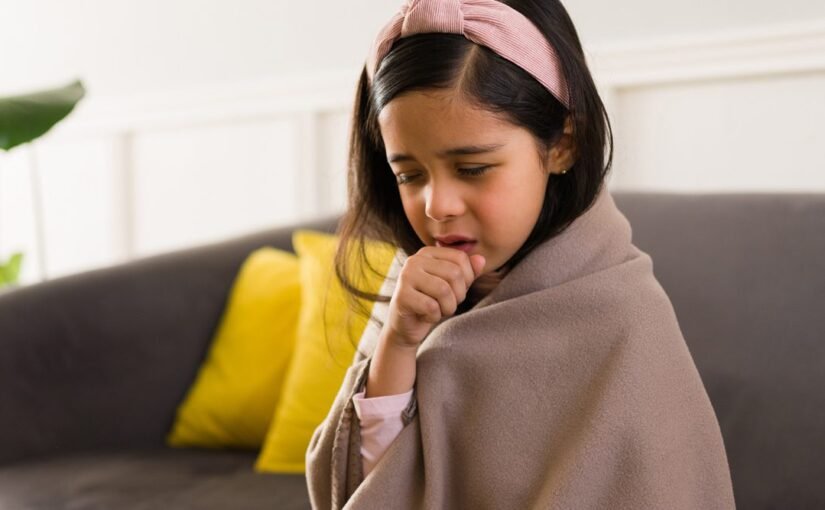
Cold and cough are among the most common reasons children visit a pediatric clinic. It is normal for young children, especially those attending daycare or school, to experience several episodes of cold each year as their immune systems are still developing. Although most colds are caused by viruses and resolve on their own, frequent infections can leave parents worried and unsure about the best way to care for their child.
Understanding the causes, symptoms, home care measures, and warning signs can help parents manage these illnesses effectively. If your child experiences repeated respiratory infections, consulting an experienced Paediatrician in Newtown Kolkata is the best way to ensure proper evaluation and treatment.
Why Do Children Get Frequent Colds?
Children are exposed to many viruses through close contact with classmates, family members, and shared toys. Their immune systems are still learning to recognize and fight these germs, making them more susceptible to infections.
Other factors that may contribute include:
- Seasonal weather changes
- Exposure to air pollution or cigarette smoke
- Poor hand hygiene
- Inadequate sleep
- Nutritional deficiencies
- Allergies or underlying respiratory conditions
While several colds a year can be normal, unusually frequent or severe infections should be assessed by a pediatrician.
Common Symptoms of Cold and Cough
A typical viral cold may begin gradually and include:
- Runny or blocked nose
- Sneezing
- Mild fever
- Sore throat
- Dry or productive cough
- Watery eyes
- Reduced appetite
- Irritability and tiredness
The cough may continue for one to three weeks even after the cold has improved. This lingering cough is usually part of the normal recovery process.
Caring for Your Child at Home
Most uncomplicated colds can be managed with supportive care.
Ensure Adequate Hydration
Encourage your child to drink plenty of fluids such as water, soups, coconut water, or oral rehydration solutions if needed. Staying hydrated helps loosen mucus and prevents dehydration.
Allow Plenty of Rest
Sleep and rest give the body time to fight infection. Avoid sending your child to school if they have fever or feel unwell.
Keep the Nose Clear
For infants and younger children, saline nasal drops and gentle suction can help relieve nasal congestion and make feeding easier.
Offer Nutritious Meals
Even if your child’s appetite decreases, continue offering small, healthy meals rich in fruits, vegetables, whole grains, and proteins. Good nutrition supports the immune system during recovery.
Use Medicines Only as Advised
Antibiotics do not treat viral colds and should never be given without medical advice. Similarly, over-the-counter cough and cold medicines may not be suitable for young children and should only be used if recommended by a pediatrician.
How to Prevent Frequent Cold and Cough
Although it is impossible to prevent every infection, healthy habits can reduce the frequency and severity of illnesses.
Parents should encourage:
- Regular handwashing with soap and water
- Covering the mouth and nose while coughing or sneezing
- Avoiding close contact with sick individuals
- Keeping toys and frequently touched surfaces clean
- Drinking enough water every day
- Eating a balanced diet rich in vitamins and minerals
- Daily physical activity
- Adequate sleep based on the child’s age
- Staying up to date with recommended vaccinations
Creating these healthy habits early helps strengthen your child’s overall immunity.
When Could Frequent Colds Indicate Another Problem?
Repeated respiratory infections may occasionally be linked to underlying medical conditions such as:
- Allergic rhinitis
- Asthma
- Enlarged adenoids
- Sinus infections
- Nutritional deficiencies
- Rare immune system disorders
If your child develops frequent colds that interfere with daily activities or growth, further evaluation may be necessary to identify any contributing factors.
When Should Parents Seek Immediate Medical Attention?
Consult a pediatrician promptly if your child has:
- Fever lasting more than three days
- Difficulty breathing or rapid breathing
- Persistent wheezing
- Bluish lips or face
- Poor feeding or refusal to drink fluids
- Signs of dehydration
- Severe ear pain
- Continuous vomiting
- Extreme drowsiness or unusual irritability
- Cough lasting more than three weeks
Early medical care can help prevent complications such as ear infections, pneumonia, or worsening respiratory illness.
Helping Your Child Build Strong Immunity
A strong immune system develops over time through healthy daily habits rather than quick remedies. Encourage regular outdoor play, maintain a balanced diet, ensure adequate sleep, reduce exposure to tobacco smoke, and avoid unnecessary use of antibiotics. Routine health check-ups also help monitor your child’s growth, development, and overall well-being.
Conclusion
Frequent cold and cough are a normal part of childhood, especially during the early years. Most infections improve with rest, hydration, nutritious food, and supportive care. However, persistent or severe symptoms should never be ignored. Knowing when to seek professional advice is essential for protecting your child’s health and preventing complications.
If you are looking for an experienced Paediatrician in Newtown Kolkata, Dr. Sudeshna Banerjee provides compassionate and comprehensive pediatric care for infants, children, and adolescents. From diagnosing recurrent respiratory infections to offering preventive healthcare, vaccinations, nutrition guidance, and developmental monitoring, she is dedicated to helping every child enjoy a healthier childhood and giving parents the confidence to manage common illnesses effectively.