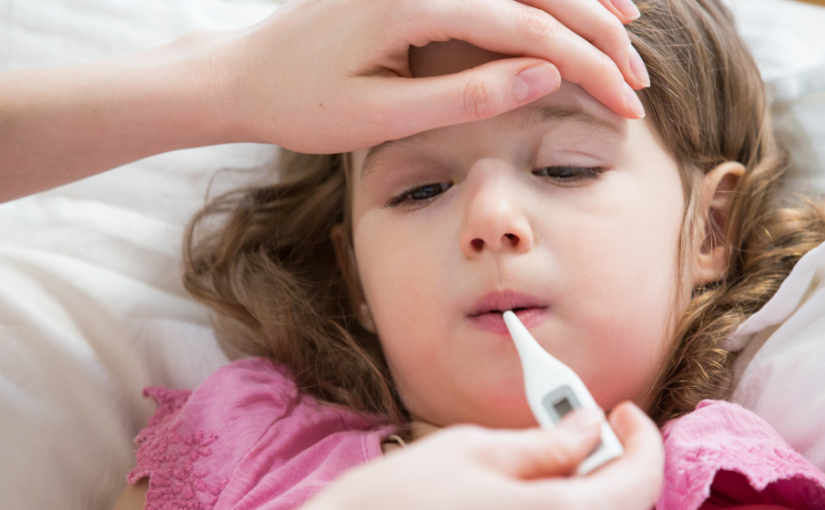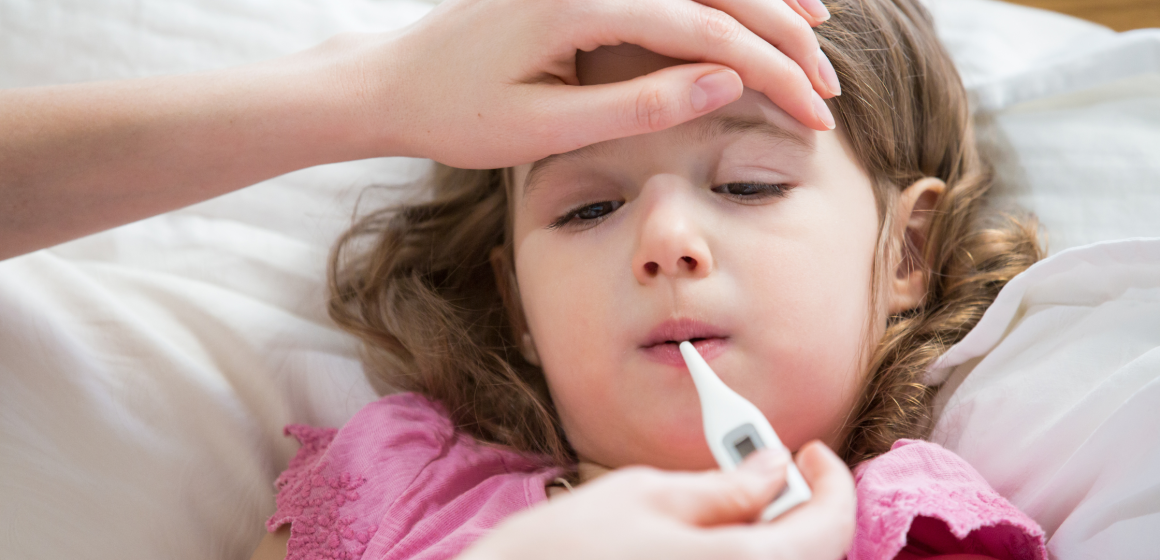
Children often fall sick as their immune systems are still developing. While many childhood illnesses are mild and recover with home care, some symptoms require prompt medical attention. Parents frequently become worried when their child develops fever, cough, vomiting, or stomach problems, especially in changing weather conditions. Consulting an experienced Child Doctor in New Town can help ensure timely diagnosis and proper treatment for your child’s health and well-being.
Why Childhood Illnesses Are Common
Children are naturally more exposed to infections because they come in contact with germs at schools, playgrounds, daycare centers, and public places. Viral and bacterial infections spread quickly among children, particularly during seasonal changes. Maintaining hygiene, proper nutrition, vaccination, and regular pediatric check-ups can reduce the risk of frequent illnesses.
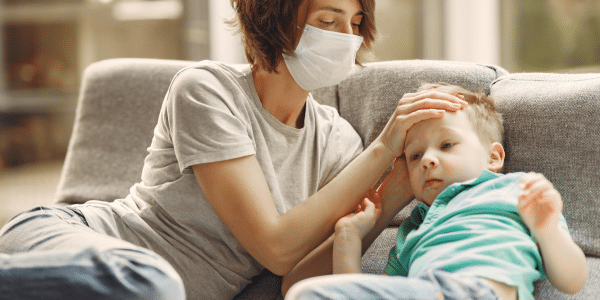
Common Childhood Illnesses
1. Common Cold and Cough
The common cold is one of the most frequent illnesses in children. Symptoms may include:
- Runny or blocked nose
- Sneezing
- Mild fever
- Sore throat
- Cough
Most colds improve within a few days with rest, hydration, and proper care. However, if the cough becomes severe, breathing difficulty develops, or the fever persists, parents should consult a Child Doctor in New Town immediately.
2. Fever
Fever is not a disease itself but a sign that the body is fighting an infection. Viral infections, flu, throat infections, and ear infections commonly cause fever in children.
Parents should seek medical advice if:
- Fever lasts more than 2–3 days
- Temperature becomes very high
- The child becomes unusually weak or sleepy
- Convulsions or breathing problems occur
Early medical consultation helps identify the underlying cause and prevents complications.
3. Diarrhea and Vomiting
Stomach infections are common among children and may occur due to contaminated food, viral infections, or poor hygiene. Symptoms include:
- Loose motions
- Vomiting
- Stomach pain
- Loss of appetite
- Dehydration
Children can become dehydrated very quickly. If your child is unable to drink fluids, passes very little urine, or becomes lethargic, consult a pediatric specialist without delay.
4. Ear Infections
Ear infections are frequently seen in infants and young children. Signs may include:
- Ear pain
- Fever
- Irritability
- Difficulty sleeping
- Pulling or rubbing the ear
Untreated ear infections may affect hearing temporarily. A timely examination by a pediatrician helps in proper diagnosis and treatment.
5. Allergies and Asthma
Many children suffer from allergies triggered by dust, pollen, weather changes, or certain foods. Symptoms may include:
- Sneezing
- Skin rashes
- Wheezing
- Persistent cough
- Breathing difficulty
Children with repeated wheezing or breathing discomfort should be evaluated by an experienced doctor to prevent asthma-related complications.
6. Skin Infections and Rashes
Children often develop skin rashes due to heat, allergies, fungal infections, or viral illnesses. While some rashes are harmless, others may indicate infections requiring treatment.
Parents should seek medical attention if:
- Rashes spread rapidly
- Fever accompanies the rash
- The child experiences itching or pain
- Blisters or swelling develop
7. Seasonal Flu and Viral Infections
Weather changes can increase viral infections among children. Flu symptoms may include:
- High fever
- Body pain
- Weakness
- Cough and cold
- Reduced appetite
Children with low immunity may need medical evaluation to avoid complications such as chest infections or dehydration.
When Should You See a Child Doctor?
Parents should not ignore the following warning signs:
- Persistent high fever
- Difficulty breathing
- Continuous vomiting or diarrhea
- Severe cough
- Poor feeding in infants
- Extreme weakness or drowsiness
- Dehydration symptoms
- Skin rash with fever
- Convulsions
Timely consultation with a trusted Child Doctor in New Town can help prevent serious health issues and ensure faster recovery.
Importance of Regular Pediatric Check-Ups
Regular visits to a pediatrician are essential even when your child is healthy. Routine check-ups help monitor:
- Physical growth
- Weight and height development
- Vaccination schedule
- Nutritional status
- Developmental milestones
Preventive healthcare plays a major role in keeping children healthy and active.
Tips to Prevent Common Childhood Illnesses
Parents can reduce infection risks by following healthy habits:
- Encourage regular hand washing
- Provide balanced nutrition
- Ensure proper sleep
- Keep vaccinations updated
- Avoid exposure to sick individuals
- Maintain cleanliness at home
Good hygiene and early medical care can significantly lower the chances of severe illness.
Childhood illnesses are common, but proper care and timely medical attention are essential for a child’s healthy growth. While many conditions improve with rest and home care, persistent symptoms should never be ignored. Consulting an experienced Child Doctor in New Town ensures accurate diagnosis, proper treatment, and peace of mind for parents. Early intervention can help children recover quickly and stay healthy throughout their growing years.