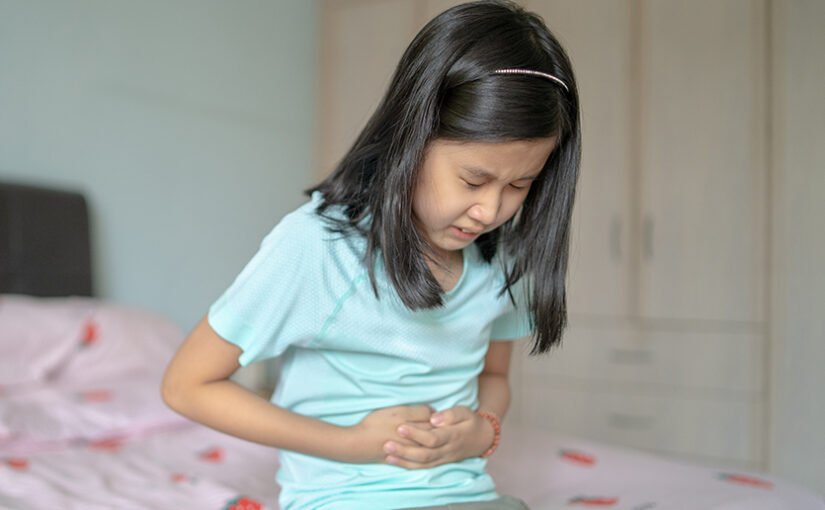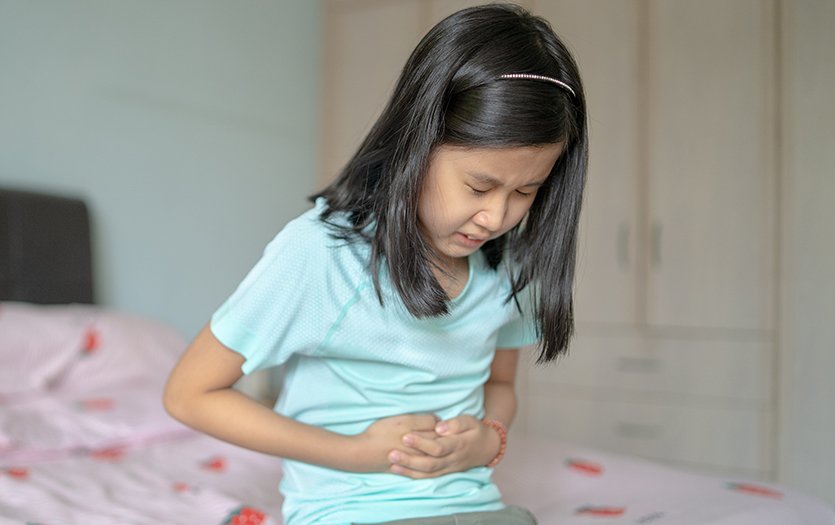
Constipation is a common problem during childhood. Many parents become concerned when their child does not pass stool regularly or complains of pain while using the toilet. While occasional constipation may settle with simple changes in diet and routine, persistent symptoms should not be ignored.
Understanding the common causes, warning signs, and healthy habits can help parents manage constipation more effectively and support their child’s digestive health.
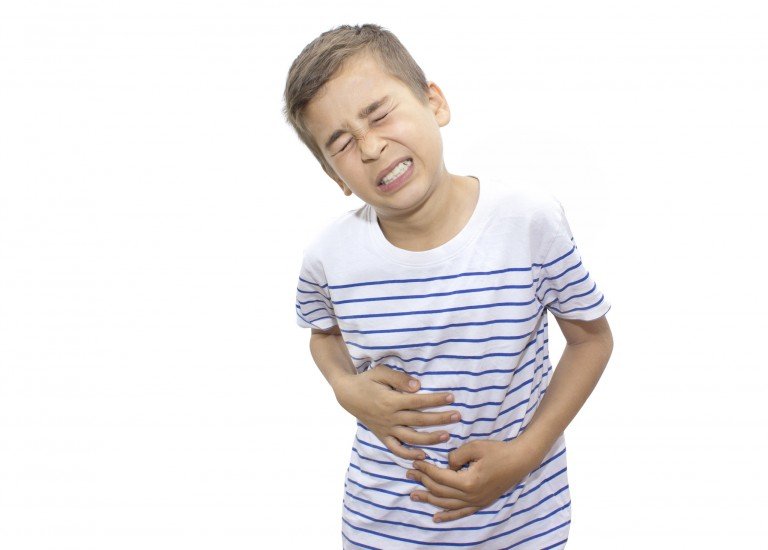
What Is Constipation in Children?
Constipation does not simply mean that a child passes stool less frequently. It can also involve hard or dry stools, difficulty passing stool, painful bowel movements, or a feeling that the bowel has not emptied completely.
Children may sometimes avoid using the toilet because they are busy playing, uncomfortable using school toilets, or worried about painful bowel movements. This can cause stool to remain in the bowel for longer, making it harder and more difficult to pass.
Common Causes of Childhood Constipation
Several factors can contribute to constipation in children.
Low Fibre Intake
A diet that contains too few fruits, vegetables, whole grains, and other fibre-rich foods may contribute to hard stools.
Not Drinking Enough Water
Adequate fluid intake helps keep stools softer. Children who drink very little water, especially during hot weather or active days, may be more prone to constipation.
Toilet Avoidance
Some children regularly ignore the urge to use the toilet. This may happen at school, while travelling, or when they are engaged in play.
Changes in Routine
Travel, changes in school schedules, holidays, or other disruptions to daily routines can sometimes affect bowel habits.
Painful Previous Bowel Movements
After experiencing a painful bowel movement, a child may become afraid of using the toilet. Holding stool can then make constipation worse, creating a cycle of pain and stool withholding.
Symptoms Parents Should Watch For
Constipation can appear differently in different children. Common signs include:
- Hard, dry or pellet-like stools
- Pain or difficulty while passing stool
- Going several days without a bowel movement
- Stomach discomfort or bloating
- Avoiding or hiding when needing to pass stool
- Straining during bowel movements
- Reduced appetite in some children
- Soiling or leakage of stool in the underwear in some cases
Parents should pay attention to changes in their child’s usual bowel pattern rather than focusing only on the number of bowel movements.
Healthy Habits That Can Help
Simple lifestyle changes may help prevent or reduce constipation in many children.
Encourage Fibre-Rich Foods
Offer fruits, vegetables, whole grains, pulses, beans, and other fibre-containing foods regularly. Introduce changes gradually if your child is not accustomed to eating much fibre.
Encourage Adequate Fluids
Make water easily available throughout the day. Children may need more fluids during hot weather or after physical activity.
Create a Regular Toilet Routine
Encourage your child to sit on the toilet at a comfortable time, particularly after meals. A relaxed routine can help children develop better bowel habits.
Don’t Ignore the Urge
Teach children that they should not regularly hold their stool. Responding to the body’s natural urge can help maintain healthier bowel habits.
Encourage Physical Activity
Regular age-appropriate physical activity can support overall digestive health. Outdoor play, walking, cycling, and other active games can be useful additions to a child’s routine.
When Should Parents Consult a Doctor?
Occasional constipation is usually not a cause for serious concern. However, medical advice is important if constipation continues, repeatedly returns, causes significant pain, or interferes with the child’s daily activities.
Parents should seek prompt medical attention if constipation is accompanied by severe abdominal pain, repeated vomiting, blood in the stool, significant abdominal swelling, fever, poor growth, or marked weakness.
A Paediatrician in Newtown Kolkata can assess the child’s symptoms, eating habits, growth, bowel pattern, and other relevant factors to determine the appropriate approach. Parents should avoid giving laxatives or other medicines to children without appropriate medical guidance.
Helping Your Child Develop Healthy Bowel Habits
Constipation can sometimes become a stressful experience for both children and parents. Scolding or pressuring a child to use the toilet may increase anxiety. Instead, encourage healthy habits with patience and reassurance.
A fibre-rich diet, adequate fluids, regular physical activity, and a consistent toilet routine can all contribute to better bowel health. If symptoms persist or you are unsure about your child’s condition, professional evaluation can provide reassurance and appropriate guidance.
With the right habits and timely medical support when needed, most children can develop comfortable and regular bowel patterns.