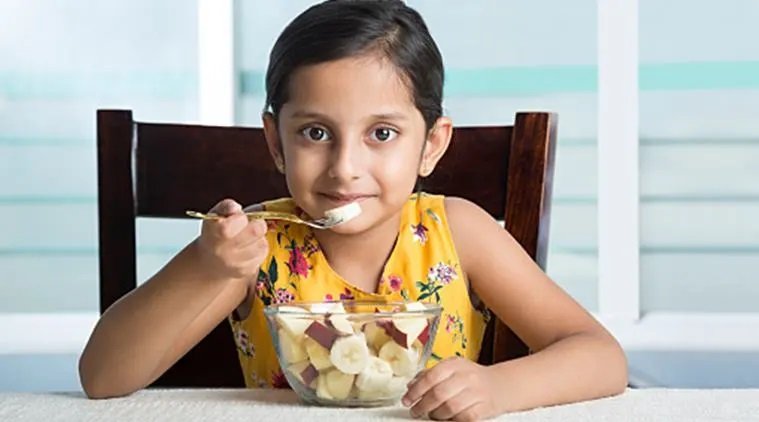
Healthy eating habits developed during childhood often last a lifetime. The food choices children make in their early years play a vital role in their physical growth, brain development, immunity, and emotional well-being. In today’s fast-paced world, where processed snacks and sugary drinks are easily available, teaching children the importance of healthy eating has become more important than ever.
Parents are a child’s first role model. By creating a positive food environment at home, they can help children build a healthy relationship with food that supports lifelong wellness. If you are looking for guidance from an experienced Child Doctor in New Town, understanding these healthy eating habits is an excellent place to start.
1. Never Skip Breakfast
Breakfast is often called the most important meal of the day for a reason. A nutritious breakfast provides children with the energy they need to stay active, concentrate in school, and perform better throughout the day.
Healthy breakfast ideas include:
- Whole-grain toast with eggs
- Oatmeal with fruits
- Milk with homemade vegetable sandwiches
- Fresh seasonal fruits and yogurt
Avoid sugary cereals and packaged breakfast items that provide little nutritional value.
2. Encourage a Colorful Plate
Children should be encouraged to eat foods of different colors because each color represents different vitamins, minerals, and antioxidants.
Include:
- Green vegetables like spinach and broccoli
- Orange vegetables like carrots and pumpkin
- Red fruits like apples and strawberries
- Yellow fruits like mangoes and bananas
- Purple vegetables like beetroot
Making meals colorful also makes them more appealing to young children.
3. Make Water the First Choice
Many children consume excessive amounts of soft drinks, packaged juices, and flavored beverages loaded with sugar.
Teach your child to:
- Drink water regularly throughout the day
- Carry a water bottle to school
- Choose fresh coconut water or homemade lemonade instead of sugary drinks
Proper hydration supports digestion, concentration, and overall health.
4. Limit Processed and Junk Foods
Fast foods, chips, candies, and packaged snacks are often high in salt, unhealthy fats, and added sugars. These foods should be occasional treats rather than daily habits.
Instead, offer healthier alternatives such as:
- Roasted makhana
- Fresh fruit slices
- Homemade popcorn
- Nuts (age-appropriate)
- Yogurt with fruits
Healthy snacking can be both delicious and nutritious.
5. Eat Together as a Family
Family meals create an opportunity to model healthy eating habits. Children who regularly eat with their families are more likely to consume balanced meals and develop better eating behaviors.
Keep mealtime free from distractions like television and mobile phones. Use this time to talk, share experiences, and encourage mindful eating.
6. Teach Portion Control
Children naturally know when they are hungry and when they are full. Encourage them to listen to these signals rather than forcing them to finish every bite on their plate.
Avoid rewarding good behavior with sweets or using food as punishment, as this may create unhealthy emotional eating habits.
7. Include Protein in Every Meal
Protein supports muscle development, immunity, and healthy growth.
Good protein sources include:
- Eggs
- Fish
- Chicken
- Lentils
- Beans
- Paneer
- Milk and dairy products
Balanced meals containing protein help children stay full for longer and reduce unhealthy snacking.
8. Make Healthy Foods Fun
Children are naturally attracted to creative presentations.
Parents can:
- Create fruit shapes
- Make vegetable smiley faces
- Allow children to help prepare meals
- Let children choose healthy fruits and vegetables during grocery shopping
Involving children in food preparation increases their interest in trying new foods.
9. Be a Good Role Model
Children learn more from what parents do than what they say. If parents regularly eat fruits, vegetables, and balanced meals, children are more likely to adopt the same habits.
Avoid negative comments about food or dieting in front of children. Instead, focus on enjoying nutritious meals together.
10. Practice Consistency, Not Perfection
Healthy eating is about developing long-term habits rather than following strict rules. Occasional treats are perfectly acceptable when balanced with nutritious meals most of the time.
Celebrate small improvements and encourage children without pressure. Positive reinforcement helps build confidence and lifelong healthy behaviors.
When Should Parents Seek Professional Advice?
If your child has poor weight gain, frequent illness, persistent picky eating, food allergies, digestive problems, or nutritional deficiencies, consult a pediatrician promptly. Early guidance can prevent long-term health concerns and ensure your child receives the nutrients needed for healthy growth and development.
Conclusion
Teaching healthy eating habits is one of the greatest gifts parents can give their children. Small daily choices—such as eating balanced meals, drinking enough water, limiting junk food, and enjoying family mealtimes—can have a lasting impact on a child’s health and future.
If you are searching for an experienced Child Doctor in New Town, Dr. Sudeshna Banerjee provides comprehensive pediatric care with a focus on child nutrition, growth monitoring, preventive healthcare, vaccinations, and overall child development. Her compassionate approach helps parents build healthy lifestyles that support children from infancy through adolescence.