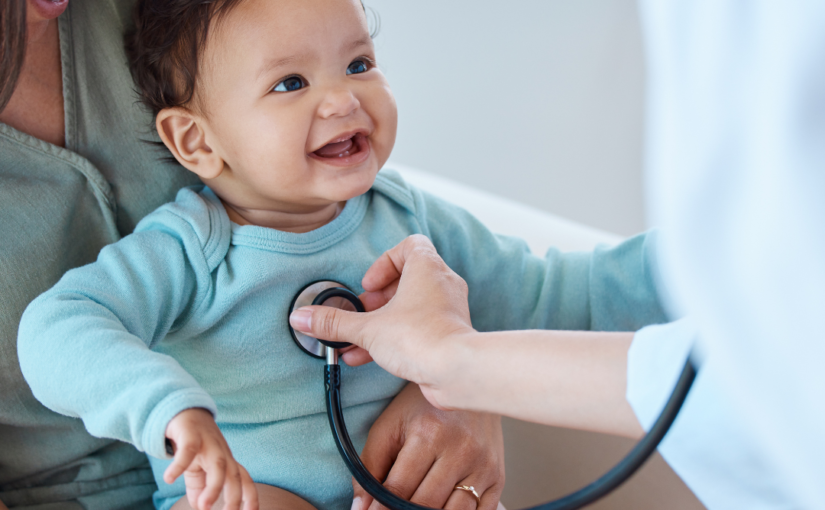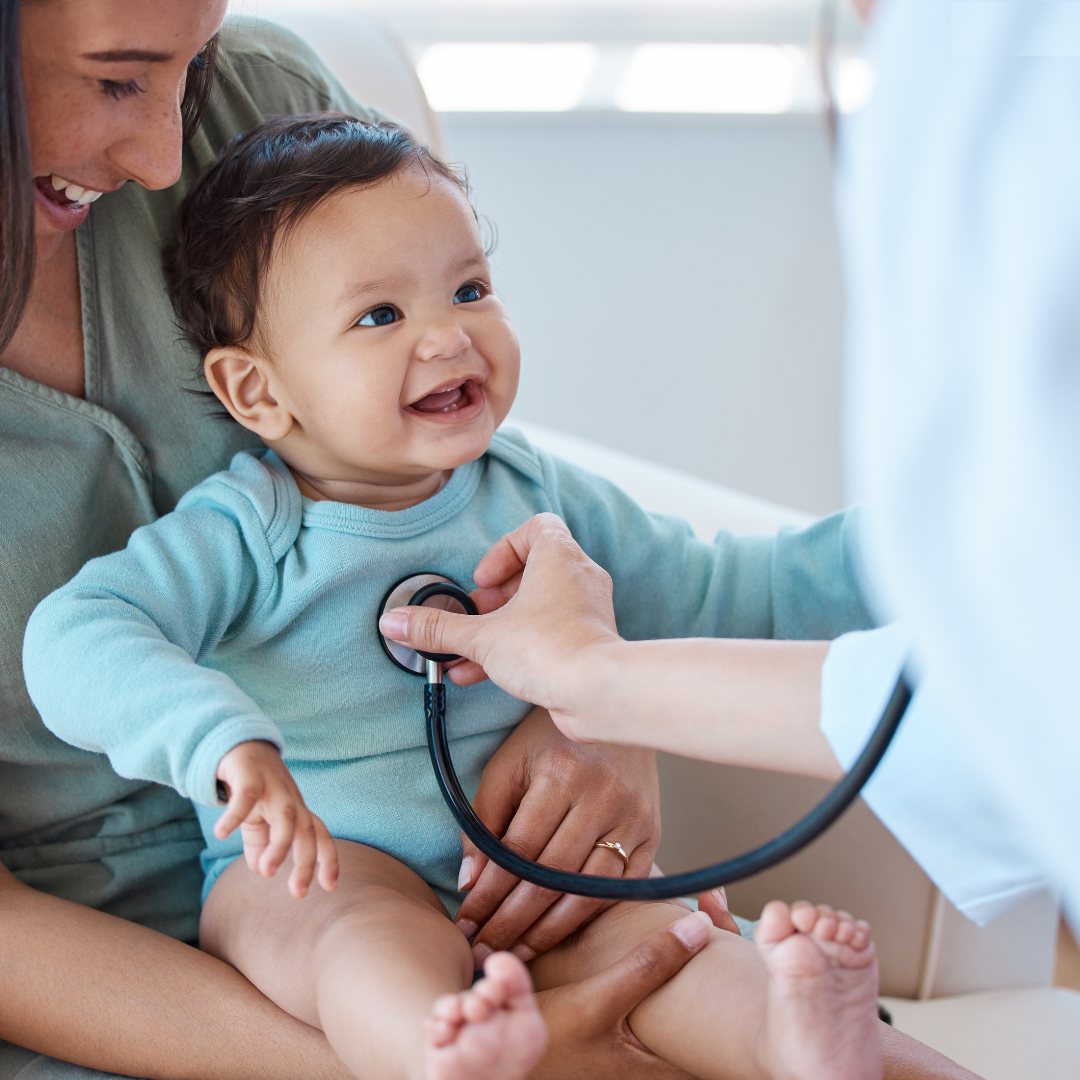
Parents often visit a doctor only when their child develops a fever, cough, stomach problem, or other noticeable symptoms. But a child can appear perfectly healthy while still having developmental, nutritional, or growth-related concerns that may not be obvious at home. This is why routine pediatric check-ups are an important part of childhood healthcare.
Regular visits to a trusted Child Doctor in New Town can help parents monitor their child’s overall health, understand developmental milestones, and address small concerns before they become bigger problems.
1. Monitoring Growth and Development
Every child grows at their own pace, but regular monitoring helps ensure that growth is progressing appropriately. During a pediatric visit, the doctor may assess height, weight, head circumference, and other growth parameters according to the child’s age.
Developmental progress is also important. Pediatricians observe milestones related to speech, movement, learning, social interaction, and behaviour. Identifying developmental concerns early can allow parents to seek appropriate guidance and support when needed.
2. Preventive Healthcare Is Better Than Waiting for Illness
A routine check-up is not simply about treating an existing disease. It is an opportunity to prevent potential health problems.
A pediatrician can provide age-appropriate advice about nutrition, sleep, physical activity, hygiene, screen time, safety, and other aspects of a child’s daily routine. These preventive measures can contribute significantly to healthy childhood development.
3. Keeping Vaccinations Up to Date
Vaccination is one of the most important aspects of preventive pediatric care. Children require different vaccines and booster doses at different stages of childhood.
Regular pediatric appointments make it easier for parents to review their child’s vaccination history and discuss upcoming doses. If a vaccine has been delayed or missed, the pediatrician can guide parents regarding the appropriate next steps.
4. Identifying Nutritional Concerns
Children’s nutritional requirements change rapidly as they grow. Even when a child appears active and healthy, their diet may not always provide everything they need.
During regular check-ups, parents can discuss eating habits, weight gain, appetite, complementary feeding, and other dietary concerns with their pediatrician. Professional guidance can be especially useful during important stages such as infancy, toddlerhood, and adolescence.
5. Detecting Problems That May Not Have Obvious Symptoms
Some childhood health concerns may develop gradually without causing noticeable symptoms in the beginning. Regular examinations give pediatricians an opportunity to look for possible concerns involving vision, hearing, growth, development, or other areas of health.
Early identification does not necessarily mean that a child has a serious condition. Rather, it provides an opportunity to investigate concerns and offer timely guidance when necessary.
6. Discussing Behaviour and Emotional Well-Being
A child’s health involves more than physical growth. Behaviour, emotions, sleep patterns, learning, and social development are also important.
Parents may sometimes notice changes such as difficulty sleeping, unusual irritability, concentration problems, excessive screen use, or changes in behaviour. A routine appointment provides a comfortable opportunity to discuss these concerns and understand whether they are part of normal development or require further attention.
7. Guidance for Parents at Every Stage
Parenting comes with new questions at every age. What should a baby eat? When should solid foods be introduced? How much sleep does a toddler need? How much screen time is appropriate? Is a particular behaviour normal?
A Child Doctor in New Town can provide age-specific guidance based on the child’s individual needs rather than relying solely on information from the internet or advice from others.
8. Building a Long-Term Healthcare Relationship
Regular pediatric visits allow the doctor to become familiar with a child’s medical history, growth pattern, developmental progress, and individual needs. This continuity can be valuable when a child eventually develops an illness or requires additional medical evaluation.
How Often Should a Healthy Child Have a Check-Up?
The frequency of pediatric visits depends on the child’s age, health history, vaccination schedule, and individual requirements. Infants generally need more frequent monitoring, while older children may require fewer routine visits. Your pediatrician can recommend an appropriate schedule for your child.
Healthy Children Need Preventive Care Too
A healthy-looking child is certainly reassuring, but regular pediatric check-ups help maintain that health over time. They provide an opportunity to monitor growth, support development, review vaccinations, discuss nutrition, and identify potential concerns early.
For parents looking for a Child Doctor in New Town, regular pediatric care can be an important step toward giving children the healthy foundation they need to grow, learn, and thrive.